
Whoa! I was poking around a DeFi app the other day and got that weird jolt—like, somethin’ just clicked. Seriously? The pace on Solana feels different. It’s fast, cheap, and somehow messy in a charming tech-startup way. My instinct said this could be huge for people who just want crypto to behave like regular software—no hundred-dollar fees, no lag. Initially I thought scalability would be the whole story, but then I realized user experience, wallets, and staking incentives are pulling the whole thing forward.
Okay, so check this out—Solana’s core promise is throughput. Short transactions. Tiny fees. You get on-chain interactions that feel like clicking a web app. But here’s the rub: speed alone doesn’t make adoption. Wallet UX does. Developer ergonomics do. Liquidity does. On one hand the chain’s metrics read great; though actually, network upgrades and congestion patterns still surprise dev teams. I’m not 100% sure where the long tail of complexity ends, but I’ve been in enough product rooms to say that friction at the edges kills adoption.
Here’s what bugs me about many wallet-to-dApp flows: too many steps. Too many confirmations. Too many prompts that look like legalese. The very very small frictions add up. You sign once, then sign again, then refresh, then sign again. It’s like going to the DMV every time you want to buy gas. For mobile-first people, that experience matters. Phantom—yeah, the wallet you probably heard about—has been nudging this model toward a web-native flow that actually feels normal.
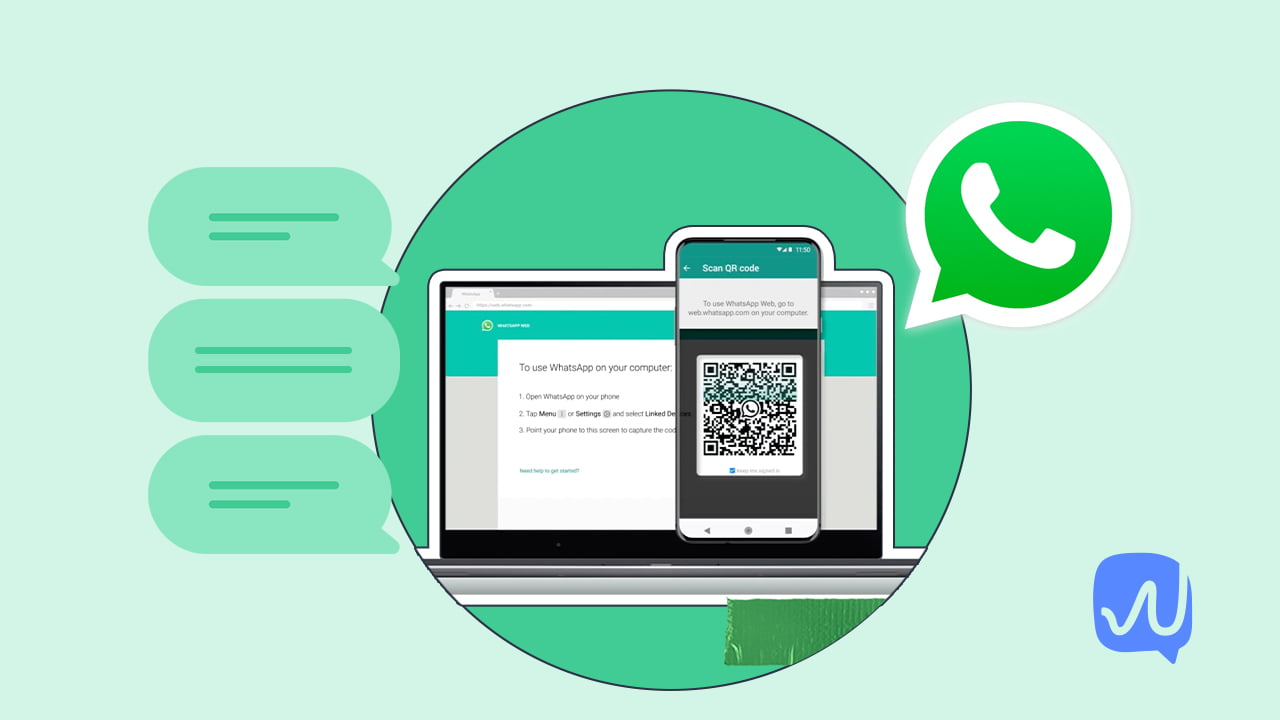
How the web version of phantom wallet changes the game
I’m biased, but the idea of a browser-first wallet is underrated. The link between a seamless in-browser wallet and a plug-and-play dApp is the real UX win, because you remove app-store installs, OS permissions, and that awkward copy-paste of keys. If you want to try it yourself, the web entry point I use is phantom wallet—it usually opens faster than a native install and pops up with clear prompts. Hmm… some people worry about security with web wallets; that’s valid. But browser extension isolation plus well-audited code can be solid if you follow basic hygiene.
Why this matters for dApps: developers can iterate faster when the onboarding flow doesn’t require users to download fresh apps or wrestle with mobile deep links. Faster iteration means more feature experiments, and experiments drive product-market fit. On Solana, that creates a loop: better dApps get more users, which improves liquidity, which incentivizes more builders. It’s a snowball. Initially simple, then layered, then complicated in interesting ways—like taxes.
Staking SOL sits in the middle of this ecosystem as both a utility and an incentive mechanism. Stake to secure the network. Earn passive yield. It’s a civic participation model dressed as finance. My first impressions were purely financial—more yield, cool. But then I began to see staking as a retention lever for users: staked users care about the chain’s health. They read governance updates. They send bug reports (oh yes, seriously). On one level it’s nerdy. On another, it’s how communities grow.
There are trade-offs though. Lockup durations, slashing risks (rare on Solana, but possible), validator selection headaches—these all complicate a seemingly simple “stake and earn” pitch. Initially I thought choiceless delegation was fine—pick the highest APY and go. Actually, wait—let me rephrase that: picking based only on APY ignores validator reliability and decentralization goals. On the other hand, promoting tiny delegations across many validators helps decentralize the chain, but it dilutes returns and makes the UX heavier.
So how should product folks and users think about staking in practice? Short answer: balance. Staking should be easy and visible in wallet flows—users should see current yield, validator health, and estimated unbonding times without reading a whitepaper. Longer answer: build defaults that are sensible (reputation-weighted, risk-aware), and let power users customize. For builders, exposing these options in dApps without making the UX look like a spreadsheet is the actual design challenge.
I’ve tested a bunch of dApps that try to surface staking. Some do it clumsily—bad copy, confusing timers. A few did it well—clear progress bars, simple “stake” CTA, and one-click delegation to vetted validators. That one-click model matters because most users are in a hurry. They want to stake now, not tomorrow. There’s an emotional satisfaction to clicking “stake” and seeing your dashboard update immediately. It’s micro-joy but important.
On the developer side, Solana’s SDKs and RPCs are improving. Transactions per second and confirmation times are vibrant topics on developer forums. Yet, actually building a robust dApp still requires attention to retries, error handling, and UI feedback loops. Slow confirmation states need to be explained to users gracefully. Believe me—I’ve seen users freak out when progress spinners hang because the UI didn’t explain what’s happening. Hmm… those little details separate well-designed dApps from meh ones.
Let’s talk security for a second. I cringe at canned “connect wallet” modals that don’t explain scopes. For users, the mental model should be simple: “This dApp will ask to sign X.” For builders: follow the principle of least privilege. Phantom’s web experience is getting better about clarifying what a signature is for. I’m not claiming perfection. But it’s moving from “black box” toward “transparent request.” Also, always enable hardware wallet support for serious holdings. It’s a pain sometimes, but worth it.
Community dynamics matter too. Solana’s ecosystem has fast-moving token launches, P2E experiments, and AMM tweaks. That means user education should be baked into dApps: little tooltips, safety nudges, and obvious ways to test with small amounts first. I’ve watched many new users make harmless mistakes (tiny sums, thankfully) and learn quickly. Those micro-experiences are vital onboarding loops—if your wallet and dApp make failure recoverable, users will come back.
One thing I love: composability on Solana. Programs can be stitched together quickly, enabling novel UX patterns like batched actions—stake, swap, deposit—in a single flow. That reduces friction dramatically but raises developer responsibility: atomicity matters, and failure modes must be handled elegantly. On one hand these primitives are empowering. On the other, they can be dangerous if wallets don’t clearly show aggregated permission requests.
Okay, a quick tangent—(oh, and by the way…)—NFT experiences on Solana show how powerful great wallet UX is. Minting a collectible with a smooth in-browser experience converts curious browsers into community members. I remember a mint where 70% of users who connected their wallet came back the next week. That retention was driven by one tidy wallet moment: clear balance, one-click mint, instant confirmation. Little things.
For product folks building dApps: ship small, measure, and iterate. Make staking an obvious path in your funnel if your app benefits from it. Surface security choices early. Offer clear defaults. And test the web wallet integration repeatedly across browsers. Seriously; cross-browser quirks are real. My team once had a bug where a signature modal clipped on certain screen sizes—tiny, but it cost conversions.
I’m not trying to sell you a dream. There are real open questions about long-term decentralization incentives, validator concentration, and UX trade-offs that might favor convenience over resilience. Initially I thought those might fix themselves. Now I’m skeptical. Governance and tokenomics design need the same care product teams give to UX. They interact in surprising ways—sometimes healthy, sometimes messy.
Common questions people actually ask
How safe is staking SOL via a web wallet?
Generally safe if you follow basic precautions: use a reputable wallet, verify the dApp you’re interacting with, never share your seed phrase, and consider hardware wallets for large stakes. Web wallets can be audited and secure; they’re not intrinsically less safe than mobile wallets, but your browser hygiene matters.
Can I use phantom wallet across devices?
Yes, you can access a web-based wallet from multiple machines, but remember that your keys reside client-side. Exporting or restoring keys should be done carefully and preferably with a hardware device for bigger balances. Smaller amounts? Fine to test and learn, but always be cautious.
Is staking worth it right now?
Depends on your goals. Staking offers passive yield and aligns you with the network. If you’re patient and believe in the ecosystem, it makes sense. If you need instant liquidity for trading, consider the unbonding window and potential slippage.